08 July 2012

七夕祭 (Tanabata matsuri) in 平塚 (Hiratsuka, Japan) on 08 July 2012

Source and photos: http://horizons.free.fr/seikatsu/eng/memories/2012-07-08_jp-hiratsuka_tanabata.htm

Tall decorations in 平塚 (Hiratsuka)[EN] Festival on 08 July 2012[FR] Festival le 08 juillet 2012PHOTOSSUGGESTIONS

[EN] 08 July 2012: 七夕祭 (Tanabata festival) in 平塚 (Hiratsuka, Japan)

I discovered 平塚 (Hiratsuka, Japan) on 08 July 2012, third/last day of its 62nd 七夕祭 (Tanabata festival) honouring two heavenly lovers, then relaxed at a nearby beach.

Joyful Japanese people crowded streets vividly decorated from the station to a distant plaza, buying food, drinks, toys and souvenirs to friendly shopkeepers. Some children, young ladies and even dogs wore 浴衣 (yukata, summer kimono)! At the plaza, skilled groups including children with funky hairstyles performed modern dances, cheerleading or traditional dances under giant flags. In a peripheral alley, a professional DJ in kimono gave a cyberpunk touch to the event :)

This great cut from my heavy workdays motivates me to return or attend 仙台 (Sendai)'s even more famous celebration in 2013.

⟹ LEARN MORE (20 PHOTOS, 2 SUGGESTIONS)...


[FR] 08 juillet 2012: 七夕祭 (festival Tanabata) à 平塚 (Hiratsuka, Japon)

J'ai découvert 平塚 (Hiratsuka, Japon) le 08 juillet 2012, troisième/dernier jour de son 62ème 七夕祭 (festival Tanabata) honorant deux amoureux célestes, puis me suis détendu à une plage proche.

Des japonais heureux emplissaient les rues décorées de couleurs vives de la gare à une place distante, achetant nourriture, boissons, jouets et souvenirs à d'amicaux commerçants. Des enfants, de jeunes femmes et même des chiens portaient des 浴衣 (yukata, kimono d'été) ! A la place, des groupes doués incluant des enfants aux coiffures funky exécutèrent des danses modernes, spectacles de pom-pom girls ou danses traditionnelles sous des drapeaux géants. Dans une allée périphérique, une DJ professionnelle en kimono apportait sa touche cyberpunk :)

Cette remarquable coupure d'un quotidien lourd en travail me motive à revenir ou à assister au festival encore plus réputé de 仙台 (Sendai) en 2013.

⟹ EN SAVOIR PLUS (20 PHOTOS, 2 SUGGESTIONS)...

21 May 2012

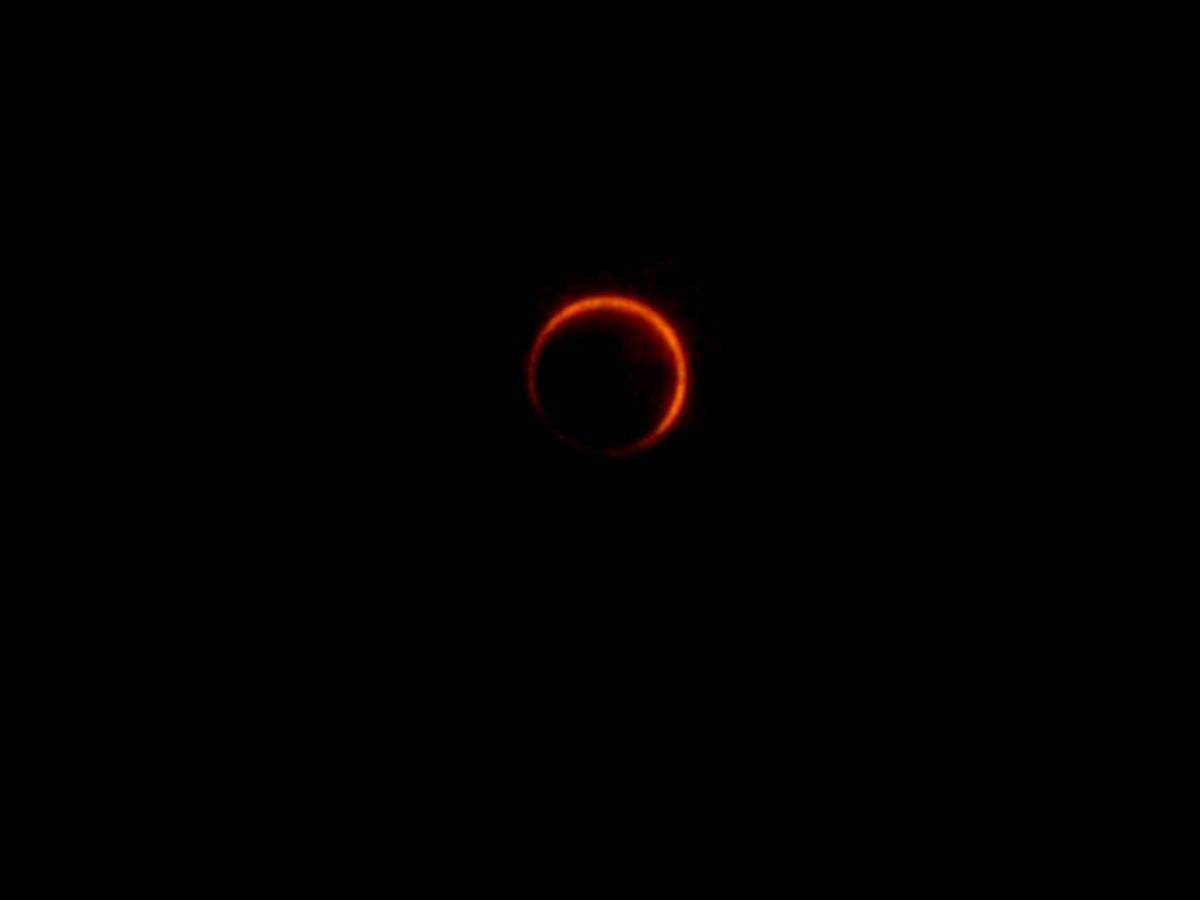
Annular solar eclipse in 東京 (Tokyo, Japan) on 21 May 2012

Source and photos: http://horizons.free.fr/seikatsu/eng/memories/2012-05-21_jp-tokyo_eclipse.htm

07:37 - Peak of the eclipse in 東京 (Tokyo)[EN] Eclipse today[FR] Eclipse aujourd'hui

[EN] Annular solar eclipse in 東京 (Tokyo, Japan) on 21 May 2012

Despite clouds over 東京 (Tokyo, Japan), I saw the most beautiful scene in my life around 07:30 today: an annular solar eclipse. The sky darkened, the temperature dropped, the dogs went silent... The moon only let a thin sunny ring illuminate the sky and earth. I was deeply moved!


[FR] Eclipse solaire annulaire à 東京 (Tokyo, Japon) le 21 mai 2012

Malgré des nuages sur 東京 (Tokyo, Japon), j'ai vu la plus belle scène de ma vie vers 07:30 aujourd'hui: une éclipse solaire annulaire. Le ciel s'est assombri, la température a chuté, les chiens se sont tus... La lune n'a laissé qu'un fin anneau de soleil illuminer le ciel et la terre, ce qui m'a profondément ému !

18 July 2009

Trip to 수원 (Suwon, South Korea) on 18 July 2009

Source and photos: http://horizons.free.fr/seikatsu/eng/memories/2009-07-18_kr-suwon.htm

화홍문 (Hwahongmun) at 화성 (Hwaseong fortress)I walked through 수원 (Suwon, South Korea) on 18 July 2009 to see 화성 (Hwaseong fortress) in company of François, who had come for the week-end. Although clouds threatened to waste our visit, the conditions were pleasant, and the rain fell only on our way back to the subway station.

After eating tasty 냉면 (cold noodles) at the station, we walked through the city then strolled three hours along the fortress wall, starting at 팔달문 (Paldalmun i.e. South gate) and finishing at an outdoor market, with a tea break on the way. I was surprised by the views, which exposed Korean-looking buildings, churches, and tall and low modern buildings, including apartments decorated with harmonized scenes such as riders jumping from a building to another. The fortress is well-maintained, the explanations are clear, and the path is long but easy. This UNESCO world heritage site must be really exciting with a clear sky.

I enjoyed the refreshing atmosphere, and the tiring walk offered a perfect pretext for relaxing chats while drinking tea or chocolate.

11 July 2009

Trip to 청주 (Cheongju, South Korea) on 11 July 2009

Source and photos: http://horizons.free.fr/seikatsu/eng/memories/2009-07-11_kr-cheongju_unbo-house.htm

Mysterious corner at 운보의 집 (Unbo's house) I discovered 청주 (Cheongju, South Korea) on 11 July 2009 thanks to my local colleague 남규 (Namkyoo), who wished to show me the house of 김 기창 (KIM Ki-Chang) aka 운보 (Unbo), a Korean painter notably known for drawing 세종대왕 (Sejong the Great) on ₩10.000 banknotes. A grey sky accompanied heat and humidity, a usual mark of the rainy season in South Korea.

After eating my best sushis in the country so far, 남규 (Namkyoo) drove me, his wife and daughter to 운보의 집 (Unbo's house). I appreciated the garden, compact but not overloaded, designed with talent and well maintained. I contemplated landscapes weaving nature with man-made artefacts and lotuses floating over miniature ponds carved in rock statues. I was surprised by the presence of numerous bonsais, which I solely associated to Japan, before admiring the artist's paintings at the gallery, enjoying his simple but deep colorful style. A few minutes away, we stopped the car near a long wall painted with scenes of the four seasons then again to face impressive sculptures made of junk, including an easily-recognizable version of the manga robot マジンガーZ (Mazinger Z). Finally, we visited 청주 고인쇄박물관 (Cheongju early printing museum), which exhibited ancient artefacts and documents and exposed history using automata.

This day in good company was exciting and stimulating, and I only regret that my Korean language abilities were insufficient to chat with my colleague's young daughter.

22 June 2009

Trip to 안동 (Andong, South Korea) on 19-22 June 2009

Source and photos: http://horizons.free.fr/seikatsu/eng/memories/2009-06-20_kr-andong.htm

Entrance of 도산서원 (Dosan Seowon) I travelled to 안동 (Andong, South Korea) for the first time on 19 June 2009 to meet my local friend 장우 (Jangwoo), and hike nearby. With the rainy season just starting, the weather was capricious but–as usual–I was lucky for the hike. Nevertheless, the sky broke loose on departure day...

The first evening, we ate Korean food prepared by 장우 (Jangwoo)'s mother, strolled at the local dam, and played a few billiards games. On Saturday, we visited 도산서원 (Dosan Seowon), a famous academy displayed on ₩1.000 banknotes, then dodged rain drops to see the 12m-tall 제비원 (Jebiwon) statue of Buddha. While mom was asleep, I experienced my first Korean nightclub then a karaoke with 장우 (Jangwoo) and one of his friends. The nightclub confused me much as the dance floor was smaller than the space for tables and seats, and as the staff moved customers around, guiding girls to the tables of guys, while the huge stage alternatively featured disc jockeys, female musicians, and a male stripper! Bewildering :) Still energetic on Sunday, 장우 (Jangwoo), one of his cousins, his mom, and I hiked four hours among the trees of 주왕산 국립공원 (Juwangsan national park) under an oppressive sun; the highest peak called us but dark was coming too fast for a full climb.

The stay was pleasant and entertaining; despite our diverse activities, I strangely feel that I fully enjoyed and relaxed everywhere. Maybe there is a lesson for my life in the capital? Anyway, I plan another trip in the region to visit folk villages and attend the famous local mask festival held every year in September-October.

06 June 2009

Stroll at 국립서울현충원 (Seoul National Cemetery, South Korea) on 06 June 2009

Source and photos: http://horizons.free.fr/seikatsu/eng/memories/2009-06-06_kr-seoul.htm

Prayer before the tombs of 박정희 (PARK Chung-Hee) and 육영수 (YUK Young-soo) at 국립서울현충원 (Seoul National Cemetery) I first visited 국립서울현충원 (Seoul National Cemetery), located in 서울 (Seoul, South Korea), with 숙현 (Sook-Hyeon) on 06 June 2009 to observe Korean life on 현충일 (Memorial Day). Numerous civilians and soldiers walked the alleys of this huge cemetery under a bright sky; many paying homage to 육영수 (YUK Young-soo) and her husband, the ex-president 박정희 (PARK Chung-Hee), assassinated in 1974 and 1979. I was flabbergasted to see whole families gaily picnic among the tombs as I cannot imagine French people doing so but was told this is a normal way to commune with one's kin in South Korea. The vegetation and hills contributed to a peaceful and pleasant atmosphere while providing some intimacy.

After seeing atrocities displayed so gloomily (see Post 17 May 2009) at 독립기념관 (Independence Hall of Korea) in 천안 (Cheonan), this uplifting experience made me feel closer to the local population.

25 May 2009

Trip to 경주 (Gyeongju, South Korea) on 22-25 May 2009

Source and photos: http://horizons.free.fr/seikatsu/eng/memories/2009-05-23_kr-gyeongju.htm

Rest house at a distance at 남산 (Namsan) I travelled to 경주 (Gyeongju, South Korea) for the second time on 22 May 2009 to visit 불국사 (Bulguksa temple), which is a UNESCO world heritage, and hike at 남산 (Namsan) with Olga and Yerbol, two friends studying in the region. Clouds hovered over the region but the weather remained pleasant.

I appreciated the local historical assets and traditional ambiance but was surprised by the distances: one may see much with a bicycle in two days. However, I was slightly disappointed as I expected older, bigger and more numerous touristic sites because several Japanese friends had compared the city to 京都 (Kyoto, Japan); Koreans indicated that the area would be markedly more attractive had Japan not damaged or destroyed so much during wars and occupations... From another perspective, I also enjoyed unique coffee shops, delicious restaurants and, as we kept on bumping into acquaintances of Olga and Yerbol, a countryside atmosphere in which all people seemed to know each other.

The air, ambiance and smaller crowds agreeably contrasted with my everyday life in 서울 (Seoul, South Korea). For newcomers, two or three full days seem appropriate to discover the historical sites and enjoy the city, with one or two additional days for hikes. I will gladly return there to complete my visit and explore 남산 (Namsan) from another side.

17 May 2009

Trip to 천안 (Cheonan, South Korea) on 17 May 2009

Source and photos: http://horizons.free.fr/seikatsu/eng/memories/2009-05-17_kr-cheonan.htm

Panorama with 겨레의 탑 (Monument to the Nation) at 독립기념관 (Independence Hall of Korea) I travelled to 천안 (Cheonan, South Korea) for the first time on 17 May 2009 to visit 외암민속마을 (Oeam folk village) and 독립기념관 (Independence Hall of Korea) in company of 진영 (Jin-young) and 현진 (Hyunjin), two locals. The weather was warm but unfortunately cloudy most of the day.

I enjoyed the trip much as I had never visited a traditional village in South Korea before; it differed in many respects from 白川郷 (Shirakawa-go, Japan), which I visited in 2006 (see Post 06 August 2006): buildings are lower, roofs flatter, and walls along paths more numerous. As for the memorial hall, it was impressive for its hugeness, the beauty of some buildings, the peacefulness of the natural surroundings, and for troubling historical presentations including torture scenes and human-scale models of executions of Koreans by Japanese soldiers. Such crudeness reminded me of 서대문형무소 (Seodaemun Prison, South Korea) in 서울 (Seoul), something I have never witnessed in public spaces outside South Korea.

13 April 2009

Stroll at 여의도 (Yeouido, South Korea) on 12 April 2009

Source and photos: http://horizons.free.fr/seikatsu/eng/memories/2009-04-12_kr-yeouido.htm

Cherry blossoms before a skyscraper at 여의도 (Yeouido) I first walked in 여의도 (Yeouido, South Korea), a part of 서울 (Seoul), on 12 April 2009 to enjoy its famous cherry blossoms. Although the peak had passed, the streets were beautiful, and the blue sky greatly highlighted the flowers. Moving to 여의도 공원 (Yeouido park), I got greeted several times in English by Korean children, who then asked whether I was American, which is unsurprising as most white guys in the country must be American soldiers; the kids looked pretty confused to learn I was French! However, the young adult who accosted me to offer an Easter egg and invite me to join a Christian group was not unsettled by my nationality. Later, I started wondering what spontaneous contacts to expect from women and elders in the capital as well as from all kinds of Koreans in the countryside... Beyond the social sphere, the park itself was enjoyable, with a beautiful statue of 세종대왕 (Sejong the Great) and specific ambiances associated to each area.

Since my move to South Korea, it was my first time to actively visit the capital and reflect upon life here while observing children, families, couples, small and huge groups of friends, and a few elders. People visibly enjoyed their afternoon with diverse activities, infusing the park with peacefulness and liveliness. The nearby cherry trees reminded me of Japanese spots but the open spaces of 北京 (Beijing, China) (see Post 28 July 2007); the greetings from smiling kids, however, had a unique touch.

28 February 2009

Hike at 북한산 (Mount Bukhan, South Korea) on 28 February 2009

Source and photos: http://horizons.free.fr/seikatsu/eng/memories/2009-02-28_kr-bukhansan.htm

Hikers resting near the top of 백운대 (Baegundae peak) I hiked 북한산 (Mount Bukhan, South Korea) for the first time on 28 February 2009 with 재호 (Jaeho) to enjoy fresh air and surprising views at the highest local peak. We quickly reached the national park by bus from 길음 (Gireum) subway station, hiked three hours to 백운대 (Baegundae peak), lunched at the top, and left by a shorter path closer to 미아 (Mia) subway station. Patches of ice and snow remained but the warm air and clear blue sky favored tee-shirts; I only regret the haze veiling 서울 (Seoul). We hiked through forested mountains, followed the ancient fortifications of 북한산성 (Mount Bukhan fortress), and observed the capital from several perspectives. The closest paths were crowded both ways, and reaching the peak without the metallic cables would have been challenging; only healthy adults free from acrophobia should follow this path. Sandwiches at the top, under the South Korean flag, were a treat.

Since my move to South Korea, I frequently scrutinized the mountains from 남산 (Namsan), a hill at the heart of the capital, wondering how the view would be from the opposite side. From our path on 북한산 (Mount Bukhan), the haze mainly revealed the north of the city, and I was surprised by its extent and organization, notably its blocks of identical buildings. Now, I look forward to seeing the city center from a hiking path facing south.

20 December 2008

Trip to 上海 (Shanghai, China) on 17-20 December 2008

Source and photos: http://horizons.free.fr/seikatsu/eng/memories/2008-12-19_cn-shanghai.htm

増琦 (Luna), I and 俊锋 (Jung-Feng) at 巴国布衣 (Ba Guo Bu Yi restaurant) I travelled to 上海 (Shanghai, China) for the first time on 17-20 December 2008 to give a talk there at the 5th International Conference on Embedded and Ubiquitous Computing. Although busy, I enjoyed two evenings under the wings of 俊锋 (Jun-Feng) and 増琦 (Luna), two Chinese friends met during our studies in Japan, now working in the city.

上海 (Shanghai) seemed extremely different from the capital, and reminded me of Paris (France), London (United Kingdom) and Seattle (United States of America) though air-conditioners stood out. Modern buildings and infrastructures were well-lit at night, artistic, frequently unique, and full faces of some skyscrapers served as giant screens. I had a vast choice of Chinese food and eagerly tried a frog stew as well as stir-fried lily roots, appreciating both. Friday was most memorable, attending a show with my two friends while dining 四川菜 (Sichuan cuisine) at 巴国布衣上海长宁店 (Ba Guo Bu Yi restaurant, Shanghai Changning shop) then attending a live jazz performance at 布鲁斯与爵士之屋 (House of Blues & Jazz). Yet, the magic of the evening was dampened down by the omnipresence of mendicants, including young children.

The air of the city suited me better than that of the capital (see Post 28 July 2007) although much dust is noticeable, apparently due to transports and heavy constructions. The air quality sharply contrasts with what I am used to in 東京 (Tokyo, Japan) and 서울 (Seoul, South Korea), which stops short my thoughts about working in China. Tourists however can enjoy a few days and nights there, and I strongly recommend to reserve well-placed tables at 巴国布衣上海长宁店 (Ba Guo Bu Yi restaurant, Shanghai Changning shop) to see its show and at 布鲁斯与爵士之屋 (House of Blues & Jazz) after checking the schedule for special events.

04 November 2008

Trip to 西表島 (Iriomote island, Japan) on 31 October - 03 November 2008

Source and photos: http://horizons.free.fr/seikatsu/eng/memories/2008-10-31_jp-okinawa.htm

ピナイサーラの滝 (Pinaisara waterfalls) above the jungle on 西表島 (Iriomote island) I visited 沖縄 (Okinawa, Japan) for the second time from 31 October to 03 November 2008 to explore jungles, walk among traditional houses, and tour beaches far from the main island. My three sunny days and a rainy day at 26-31°C there with François were a great experience.

Contrasting with 沖縄本島 (main island of Okinawa, see Post 29 March 2008), 西表島 (Iriomote island) is quite wild, with vast protected lands, a unique road at the periphery, and beautiful seas around. We spent Friday on a tour there canoeing a river bordered by mangroves and trekking in the jungle. We encountered numerous fishes, miniature crabs, white ants (aka termites), lively lizards, and a sleeping 波布 (Habu viper) before reaching ピナイサーラの滝 (Pinaisara waterfalls), where the aerial view was captivating. After a short immersion at the bottom, we canoed back then relaxed at the mild 西表島温泉 (Iriomote-jima spa).

We started Saturday contemplating the sea while eating breakfast on the terrace of the friendly and cheap ペンション星の砂 (pension Hoshi-no-suna). Afterwards, we examined the starry sand of 星砂の浜 (Hoshisuna beach), and swam at the warm 月ヶ浜 (Tsukiga beach). Before lunch, we crossed the sea in a cart pulled by a water buffalo to stroll in the botanical garden of 由布島 (Yubu island), where one can enjoy the vegetation as well as butterflies. Finally, we drove to 南風見田の浜 (Haemida beach), where we witnessed impressive natural light shows.

For our last hours at 西表島 (Iriomote island) on Sunday, we cruised 仲間川 (Nakama river) to see mangroves, and incidentally spotted ferocious 南黒鯛 (Minami-kurodai piranhas). We then sailed for 竹富島 (Taketomi island), where we walked among traditional houses, and saw numerous flowers, beautiful waters at コンドイビーチ (Kondoi beach) and a calming sunset at 西桟橋 (Nishisanbashi). Silent, dark and unusually shaped, the village revealed itself mysterious at night.

To wrap up our vacations on Monday, we walked in the streets of 竹富島 (Taketomi island) early morning then sailed for 石垣島 (Ishigaki island), where the rain awaited us, simplifying our visit to a drive around the island. We still had sun at 玉取崎展望台 (Tamatori cape viewing platform) but got much rain afterwards. During a lull, we visited ヤエヤマヤシ (Yaeyama palm tree groves), then drank fresh guava juice while waiting for typhoon-like rain to stop. We finished the day at 川平湾 (Kabira bay) and 川平石崎 (Kabira-ishizaki) before sleeping at the sympathetic やいま日和 (Yaima Byori).

14 September 2008

Trip to 鋸山 (Mount Nokogiri, Japan) on 14 September 2008

Source and photos: http://horizons.free.fr/seikatsu/eng/memories/2008-09-14_jp-nokogiri.htm

31m-tall statue of Buddha at 鋸山 (Mount Nokogiri) I travelled to 鋸山 (Mount Nokogiri, Japan) for the first time with めぐみ (Megumi) on 14 September 2008 to see the tallest statue of Buddha in Japan. Other memorable sights at 日本寺 (Nihon-ji temple) were the 30.3m-tall 百尺観音 (Hundred-shaku Kannon), 千五百羅漢 (1500 small statues of Arhats), and views of the surrounding lands and sea from the observatory. Before leaving, we relaxed at the closest coffee shop, just after a tunnel on the way to 浜金谷駅 (Hamakanaya station), which had a charming ambiance and a great view over the sea for sunset.

09 July 2008

Trip to 富良野 (Furano, Japan) on 03-08 July 2008

Source and photos: http://horizons.free.fr/seikatsu/eng/memories/2008-07-03_jp-furano.htm

Lavender field at ファーム富田 (Farm Tomita) I visited 北海道 (Hokkaido, Japan) for the third time in July 2008 to see the famous lavender fields of 富良野 (Furano) and to hike the nearby mountains while no snow prevented it. I spent four full days there with François, including two with 亮 (Ryo), then enjoyed alone a more urban ambience in 札幌 (Sapporo).

On the contrary to 本州 (main island of Japan), 北海道 (Hokkaido) lacks train lines and frequent buses so François and I rented a car from Friday. We first visited the large 旭山動物園 (Asahiyama zoo), which offered panoramic views thanks to its slope and open sky. The animals lived in narrow spaces but looked healthy. I observed much wolves, pandas, baby monkeys, and a black panther, and I hope to see such animals in the wild someday. For a change, we continued with museums dedicated to clothing and snow: 国際染織美術館 (International Dyeing and Weaving Art Museum), 優佳良織工芸館 (Yukara Ori Folk Craft Museum) and 雪の美術館 (Snow Crystals Museum). The first was the most impressive, with well-preserved garments from several countries exhibiting diverse lifestyles and concepts. 亮 (Ryo) joined us in the evening for a great dinner at ハローウィン (Halloween).

On Saturday, we strolled in the splendid lavender fields of ファーム富田 (Farm Tomita) and in the diverse flower fields of 四季彩の丘 (Shikisai-no-oka); superb photos of these landscapes were as usual exhibited at 拓真館 (Takushinkan museum). In another style, 富良野チーズ工房 (Furano cheese factory) offered a unique experience with its robotic milking cow! The best moment of the day though was a delicious chocolate fondue at ジャンゴ (Jungo).

On Sunday, we hiked several hours in 旭岳 (Asahidake), the highest mountain in 北海道 (Hokkaido). The landscapes alternated grass, ponds, flower fields and patches of snow, and are worth a two- or three-days hike... To properly end the day, we visited the small but high-quality 川村カ子トアイヌ記念館 (Kawamura Kaneto Ainu Memorial Museum) dedicated to the indigenous people アイヌ (Ainu), where reading Japanese is quite instructive.

After the departure of 亮 (Ryo) on Monday morning, François and I drove to 十勝岳 (Tokachi-dake), enjoying local beef and grapes juice on the way. The large open space and the green and orange scenery were impressive even with a few clouds. Hiking several days there would be quite an experience. Anyway, 十勝岳温泉 (Tokachidake Onsen) is a must do, and we quietly relaxed there with a view of the valley from the outdoor spa. Finally, François and I enjoyed great coffee in 美瑛 (Biei) at 北工房 (Kita Kouboh).

29 March 2008

Trip to 那覇 (Naha, Japan) on 25-29 March 2008

Source and photos: http://horizons.free.fr/seikatsu/eng/memories/2008-03_jp-okinawa.htm

7.9m-long whale sharks at 美ら海水族館 (Churaumi Aquarium) I travelled to 沖縄 (Okinawa, Japan) for the first time on 25-29 March 2008 to give a talk at the 22nd International Conference on Advanced Information Networking and Applications in 那覇 (Naha) with Christian. We drove nearby to discover the landscapes, relax on the coast, and reach great coffee shops and restaurants. The climate was so warm at night that I barely slept without air conditioning.

Christian and I were globally satisfied by the most famous places of the island. We were impressed by the depictions of war at ひめゆり平和祈念資料館 (Himeyuri Peace Museum) and by the live 7.9m-long whale sharks of 美ら海水族館 (Churaumi Aquarium), which is a great and unique aquarium. Nearby, the less well-known 熱帯ドリームセンター (Tropical Dream Center) was also worth a visit. However, we were disappointed by 首里城 (Shuri castle), a UNESCO world heritage, which was crowded and radiated a theme-park aura; we enjoyed much more the modest and quiet 識名園 (Shikina garden).

After several cold months in 東京 (Tokyo), this stay was a pleasure. Although moving without a car is unrealistic, the pace is slower and the food delicious. I recommend カフェくるくま (Café Kurukuma), オリーブの木店 (Olive tree restaurant), 花人逢レストラン (Restaurant Kajinbo) with its funny menu written on a fan, ブリリアント・モトブヒルズ (Brilliante Motobu Hills), and above all the extraordinary ぱいかじ上之屋店 (Paikaji Uenoya restaurant). Beware however of the アメリカンビレッジ (American village): we enjoyed an interesting ambiance but had terrible food there.

[Update 04-Nov-2008] I explored jungles, walked among traditional houses, and toured beaches in several Southern islands of 沖縄 (Okinawa) during my second trip there, from 31 October to 03 November 2008 (see Post 04 November 2008).

14 March 2008

The Holy Bible (King James Version) and Biblical apocrypha

Source: http://horizons.free.fr/seikatsu/eng/thoughts/religion_holy-bible.htm

I read The Holy Bible in China, Japan and South Korea from July to December 2007 to better understand international events, and Western cultures and countries through their religious background. I selected the King James version because it is a famous and respected reference. I will continue with main texts from Buddhism, Judaism and Islam between 2008 and 2012 to quickly extend my grasp of other sizable populations and of more diverse contexts.

Although born in a country with Christian values, I had never read The Holy Bible before because its length and style were daunting and I assumed I knew its content. In 2007, I read it in detail, although I quickly forgot the family trees. Globally, the book matched my expectations but three passages shocked me because they conflict with French values.

First, in the Exodus, God asks Pharaoh to free people from Israel but prevents him from complying then punishes him by killing Egyptian babies. These actions are deeply unjust.
{Exodus, 4:21}And the LORD said unto Moses, When thou goest to return into Egypt, see that thou do all those wonders before Pharaoh, which I have put in thine hand: but I will harden his heart, that he shall not let the people go.
{Exodus, 4:22}And thou shalt say unto Pharaoh, Thus saith the LORD, Israel is my son, even my firstborn:
{Exodus, 4:23}And I say unto thee, Let my son go, that he may serve me: and if thou refuse to let him go, behold, I will slay thy son, even thy firstborn.

Second, in the first letter to Corinthians, equality between men and women is discarded, in favor of men.
{1 Corinthians, 11:6}For if the woman be not covered, let her also be shorn: but if it be a shame for a woman to be shorn or shaven, let her be covered.
{1 Corinthians, 11:7}For a man indeed ought not to cover his head, forasmuch as he is the image and glory of God: but the woman is the glory of the man.
{1 Corinthians, 11:8}For the man is not of the woman; but the woman of the man.
{1 Corinthians, 11:9}Neither was the man created for the woman; but the woman for the man.

Third, in the first letter to Ephesians, slavery is acclaimed.
{Ephesians, 6:5}Servants, be obedient to them that are your masters according to the flesh, with fear and trembling, in singleness of your heart, as unto Christ;

I thought the roots of the French motto "Liberty, Equality, Fraternity" were Christian. Reading the Holy Bible shows it is much more about modernity.
As a complement to The Holy Bible, I read several Biblical apocrypha:
  • The Book of Enoch (translated from Ethiopic by Richard Laurence, London, 1883)
  • The First Book of Esdras
  • The Second Book of Esdras
  • The Greek Additions to Esther
  • The First Book of the Maccabees
  • The Second Book of the Maccabees
  • The Book of Tobit
  • The Book of Judith
  • The Wisdom of Solomon
  • The Book of Sirach (or Ecclesiasticus)
  • The Book of Baruch
  • The Epistle (or letter) of Jeremiah
  • The Book of Susanna (in Daniel)
  • The Prayer of Azariah
  • The Prayer of Manasseh
  • Bel and the Dragon (in Daniel)

I recommend the Book of Enoch for its description of the events leading to the flood, the Book of Judith for its interesting apology of treachery, and the Book of Sirach (or Ecclesiasticus) for its dense and detailed listing of values and rules. Most Biblical apocrypha are available on the web site of The Project Gutenberg but the Book of Enoch should be found elsewhere, for example as the 1883 translation by Richard LAURENCE.

04 February 2008

Trip to 北海道 (Hokkaido, Japan) on 31 January - 04 February 2008

Source and photos: http://horizons.free.fr/seikatsu/eng/memories/2008-02-01_jp-hokkaido.htm

Wild landscape near 摩周 (Mashu) My second trip to 北海道 (Hokkaido, Japan) was in February to attend winter festivals, and East to see the Russian islands disputed by Japan. I landed with François for three full days in the cold evening of Thursday 31 January (-14°C) and took-off on 04 February morning; 亮 (Ryo) stayed a bit shorter. François and I immediately savoured a great cheese fondue at the bar STAX in 釧路 (Kushiro) then slept at ラビスタ釧路川 (La Vista Kushirogawa hotel), which features an outdoor spa with a nice view over the city.

Friday, we enjoyed a gorgeous breakfast at the hotel then rented a Nissan car, very useful due to the rarity of local buses and trains. Driving was a pleasure: very nice machine, very nice shapes, and very nice pink :) The sea on the way to 納沙布 (Nosappu) was frozen and white near the coast but fluid and blue beyond. On arrival, we heard the gravel-like sound of icy waves. The Russian islands called 北方領土 (Hopporyodo) by the Japanese were clearly visible thanks to the dry winter air, and we got a worthy aerial view from an observation tower after a short walk. On our way back to the city, we admired the sunset and spotted impressive herds of deers walking in the snow. We met 亮 (Ryo) in 釧路 (Kushiro), checked the ice and snow statues of 釧路氷祭 (Kushiro ice festival) then dined at the funny 七人の小人 (The Seven Dwarves) and finished with a cheese fondue at the bar STAX.

On Saturday, we composed our breakfast at the fish market, filling rice bowls with our preferred raw fish, shells and eggs, which was expensive but good with crab soup. We then returned to the park to see the statues in daylight, where I was impressed by the ice statue of Pegasus. A short drive then led us to a huge cemetery by the sea, with Buddhist, Christian and 神道 (Shinto) tombs. After lunch, we drove to 阿寒湖 (Lake Akan), with a stop to drink hot local milk. We dined at ホテル阿寒湖荘 (Hotel Akankoso) then watched fireworks of 阿寒湖氷上フェスティバル (Akan ice festival) from the nearby frozen lake before relaxing at 木の香 (Fragrance of trees) outdoor spa, where the cold air was breath-taking.

Sunday, we enjoyed a snowy road on our way to 摩周湖 (Lake Mashu), a splendid UNESCO world heritage site, where I could watch shadows and reflections all day long. However, we had planned to see red-crested cranes and thus moved to 釧路湿原国立公園 (Kushiro shitsugen national park), where wild animals are visible in vast flat lands using binoculars. We quickly spotted deers on a frozen river but not cranes. However, a local recommended us a nearby spot called 鶴見台 (Tsurumi-dai) where we observed huge groups of wild red-crested cranes eating, singing and flying. Satisfied but cold, we drank delicious hot chocolates and discussed our adventures at the nearby どれみふぁ空 (Do-re-mi-fa-so-la). After driving 亮 (Ryo) to the airport, everything seemed over but François and I continued with a delicious dinner at 焼肉つすみ (Korean barbecue Tsurumi), and a drink at a local jazz bar that turned out to be great!

31 December 2007

Ski at 野沢温泉 (Nozawa-onsen, Japan) on 29-30 December 2007

Source and photos: http://horizons.free.fr/seikatsu/eng/memories/2007-12-29_jp-nozawaonsen.htm

Clear mountains at 野沢温泉 (Nozawa-onsen)
I first travelled to 野沢温泉 (Nozawa-onsen, Japan) on 29-30 December 2007 with thirteen friends from スペドラ (Spedora) to ski and relax in hot springs. Our night bus left 東京 (Tokyo) around midnight under the rain and arrived in early morning under a cloudy sky. We had to wait a few hours before skiing but then enjoyed great snow on the ground and in the air; snowfalls were a pleasure. The following day was sunny, which allowed the skilled ones to speed down the most exciting tracks. Before leaving, we tried different free old style 温泉 (hot springs); the one I chose was a bit cramped and very hot, but its great atmosphere sent me back in time.

09 September 2007

Fashion exhibition in 東京 (Tokyo, Japan) on 09 September 2007

Source and photos: http://horizons.free.fr/seikatsu/eng/memories/2007-09_jp-tokyo_wakita-expo.htm

Dress based on Fabcell, while green, by 渋谷みどり (SHIBUTANI Midori) in 東京 (Tokyo) I attended a fashion exhibition entitled 情報の官能 (The Senses of Information) in 東京 (Tokyo, Japan) on 09 September 2007 in company of 倫太朗 (Rintaro) to see artistic prototypes of smart clothes. This first exhibition of textiles and garments by 脇田研究室 (Wakita laboratory) featured binary ("0"s and "1"s)-based compositions, tools and artistic works such as color-changing dresses exploiting the Fabcell technology and the Wearable Synthesis concept. 脇田玲 (WAKITA Akira) founded the laboratory at 慶應義塾大学 (Keio university) in 2004 to investigate the future of information design; it is thus involved in fashion, communication and interactions.

Fabcell is a square textile invented in 2006 by 渋谷みどり (SHIBUTANI Midori), woven from flexible non-emissive yarns connected to electronic components, which color varies with temperature. There, the exhibited dress turned from green to red in a few minutes when electric current was applied to its conductive yarns. This technology is potentially useful for fashion or to inform about e.g. a wearer's emotions. However it is not yet ready for use in everyday life because the strong voltages used to quickly change the color are dangerous, the textile resists badly to washing, and small cells are still difficult to create.

The Wearable Synthesis concept defines clothes and accessories as modules with both input (e.g. temperature sensor) and output (e.g. colored lights) that communicate to generate various effects. For example, a dress may change its color according to other worn items, or to the presence of a friend. Such a model was exhibited but out of order when I went by.

08 September 2007

Trip to 서울 (Seoul, South Korea) on 03-08 September 2007

Source and photos: http://horizons.free.fr/seikatsu/eng/memories/2007-09-08_kr-seoul.htm

Guards on the go at 경복궁 (Gyeongbok Palace) I travelled to 서울 (Seoul, South Korea) for the first time on 03-08 September 2007 to give a talk at the 10th International Symposium on Analysis, Design, and Evaluation of Human-Machine Systems (aka HMS2007) and another at 연세대학교 (Yonsei university) (see Post 07 September 2007). On my first day, I explored the city center and walked to the top of 남산 (Namsan park), where I lingered on great views over the capital. On my last day, 자영 (Jayoung), a Korean researcher from the university, and her friend 질 (Jin) guided me inside 경복궁 (Gyeongbok Palace) and accompanied me for lunch in the charming 인사동 (Insadong) district.

I loved the relaxing and lively atmosphere of the capital, its great landscapes and tasty food, its classy women and skilled jazz musicians. Behaviors and costs differ greatly from 東京 (Tokyo, Japan): people are more friendly but more noisy, notably in subways; traditional dishes such as 비빔밥 (bibimbap) and transportation, even taxis, are quite cheap. Living several months in 서울 (Seoul) would certainly be a heartening and enriching experience.